

In the realm of industrial weighing and force measurement, selecting the right Load Cell Mounting Assembly is crucial for ensuring accurate, reliable, and efficient operation. As a seasoned supplier of Load Cell Mounting Assemblies, I understand the challenges and considerations that come with this decision. In this blog post, I'll share insights on how to choose the perfect mounting assembly for your specific application.
Understanding the Basics of Load Cell Mounting Assemblies
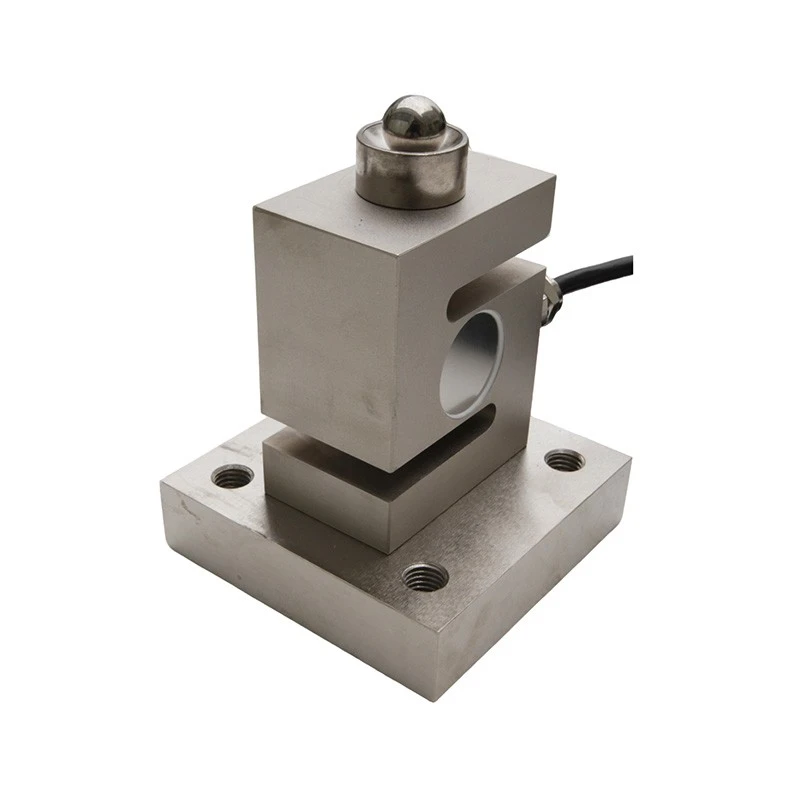
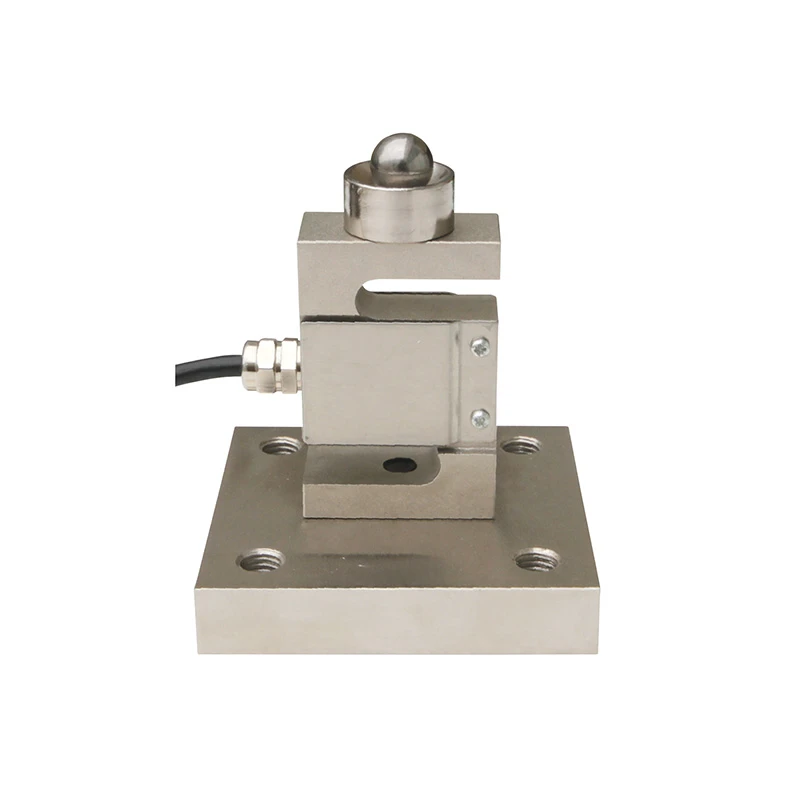
Before delving into the selection process, it's essential to understand what a Load Cell Mounting Assembly is and what it does. A load cell mounting assembly is a set of components that securely attach a load cell to a structure or equipment, allowing it to measure weight or force accurately. These assemblies play a vital role in protecting the load cell from external factors such as shock, vibration, and misalignment, which can significantly affect measurement accuracy.
There are various types of load cell mounting assemblies available in the market, each designed to meet specific application requirements. Some common types include compression mounts, tension mounts, shear beam mounts, and platform mounts. The choice of mounting assembly depends on factors such as the type of load cell, the application environment, the required accuracy, and the load capacity.
Factors to Consider When Choosing a Load Cell Mounting Assembly
1. Load Cell Type
The first step in choosing the right mounting assembly is to determine the type of load cell you are using. Different load cells have different mounting requirements based on their design and operating principle. For example, compression load cells are typically used in applications where the load is applied vertically, while tension load cells are used for applications involving pulling forces. Make sure the mounting assembly is compatible with the load cell type to ensure proper installation and accurate measurement.
2. Application Environment
The environment in which the load cell will operate is another critical factor to consider. Harsh environments, such as those with high humidity, extreme temperatures, or exposure to chemicals, can damage the load cell and its mounting assembly. In such cases, you may need to choose a Corrosion-Resistant Weighing Module or a High-Temperature Weighing Module that can withstand these conditions. Additionally, if the application involves explosive atmospheres, an Explosion-Proof Weighing Module is required to ensure safety.
3. Load Capacity
The load capacity of the mounting assembly must be sufficient to handle the maximum load that will be applied to the load cell. It's important to choose a mounting assembly with a load capacity that exceeds the expected load to prevent overloading and ensure long-term reliability. Consider factors such as dynamic loads, shock loads, and vibration when determining the required load capacity.
4. Accuracy Requirements
The accuracy of the load cell measurement is directly affected by the quality of the mounting assembly. For applications that require high accuracy, such as laboratory testing or precision manufacturing, choose a mounting assembly that minimizes errors due to factors like misalignment, deflection, and hysteresis. Look for assemblies with features such as self-aligning capabilities and low deflection to ensure accurate and repeatable measurements.
5. Installation and Maintenance
Ease of installation and maintenance is another important consideration. Choose a mounting assembly that is simple to install and does not require specialized tools or expertise. Additionally, consider the maintenance requirements of the assembly, such as lubrication, calibration, and replacement of components. A well-designed mounting assembly should be easy to maintain to minimize downtime and ensure continuous operation.
Types of Load Cell Mounting Assemblies and Their Applications
Compression Mounts
Compression mounts are the most common type of load cell mounting assembly. They are designed to support the load cell in a vertical position and are suitable for applications where the load is applied directly downwards. Compression mounts are often used in weighing scales, hoppers, and tanks. They are available in various designs, including single-point mounts, multi-point mounts, and shear beam mounts.
Tension Mounts
Tension mounts are used for applications where the load cell is subjected to pulling forces. They are commonly used in crane scales, hoist weighing systems, and cable tension monitoring. Tension mounts are designed to ensure that the load cell is properly aligned and supported to accurately measure the tension force.
Shear Beam Mounts
Shear beam mounts are ideal for applications where the load is applied horizontally or at an angle. They are commonly used in conveyor belt scales, industrial weighing platforms, and force measurement systems. Shear beam mounts are designed to minimize the effects of lateral forces and misalignment, ensuring accurate and reliable measurements.
Platform Mounts
Platform mounts are used to support large loads and are often used in industrial weighing platforms, truck scales, and railway scales. They are designed to distribute the load evenly across the load cell, reducing the risk of overloading and ensuring accurate measurement. Platform mounts are available in various sizes and configurations to accommodate different load capacities and application requirements.
Our Range of Load Cell Mounting Assemblies
As a leading supplier of Load Cell Mounting Assemblies, we offer a wide range of products to meet the diverse needs of our customers. Our Load Cell Mounting Assembly products are designed and manufactured to the highest quality standards, ensuring accuracy, reliability, and durability. We also offer Weigh Module with Mounting Kit options that provide a complete solution for your weighing and force measurement needs.
Whether you need a standard mounting assembly or a custom solution, our team of experts can help you choose the right product for your application. We have extensive experience in the industry and can provide technical support and guidance throughout the selection and installation process.
Conclusion
Choosing the right Load Cell Mounting Assembly is essential for ensuring the accuracy and reliability of your weighing and force measurement system. By considering factors such as load cell type, application environment, load capacity, accuracy requirements, and installation and maintenance, you can make an informed decision and select the best mounting assembly for your specific needs.
If you have any questions or need further assistance in choosing the right Load Cell Mounting Assembly for your application, please don't hesitate to contact us. Our team of experts is ready to help you find the perfect solution for your weighing and force measurement requirements.
References
- "Load Cell Handbook" - Omega Engineering
- "Industrial Weighing Technology" - HBM
- "Force Measurement Basics" - Interface Inc.