

Sensors are widely used in various fields, including industry, healthcare, transportation, home, and environment, and are core components for achieving automation and intelligence.
1. Industrial Automation
Equipment Monitoring: Vibration sensors are used for predictive maintenance, detecting abnormal vibrations in motors, bearings, and other equipment.
Quality Control: Vision sensors detect product defects, and laser sensors achieve precise ranging and contour scanning.
Production Safety: Safety light curtains create protective zones in stamping machines and robot collaboration areas; obstruction triggers an emergency stop.
Process Control: Pressure, temperature, and flow sensors are used for process management such as furnace temperature control and pipeline monitoring.
2. Healthcare
Physiological Monitoring: ECG sensors monitor heart rate and waveform in real time, and blood pressure sensors detect changes in arterial pressure.
Chronic Disease Management: Blood glucose sensors support daily blood glucose monitoring for diabetic patients, with some already achieving non-invasive or minimally invasive detection.
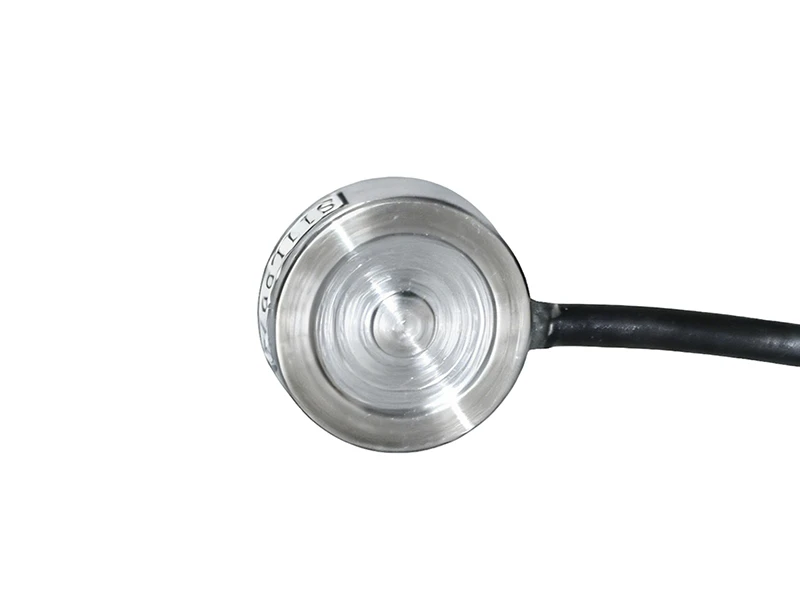
Surgical Assistance: Force sensors are embedded in surgical instruments, providing real-time feedback on the force applied, improving the accuracy of ophthalmic and endoscopic surgeries.
Rehabilitation Training: Multidimensional force sensors are integrated into rehabilitation equipment to assess patients' muscle strength and movement patterns.
Wearable Devices: Flexible biosensors can adhere to the skin to continuously monitor indicators such as body temperature, blood oxygen, and pH levels.