

Choosing the right sensor requires comprehensive consideration of the object being measured, performance requirements, environmental conditions, and system compatibility to ensure stable and accurate operation in specific applications.
Define Application Requirements
Determine the physical quantity to be measured: First, clarify whether the measurement needs to detect temperature, pressure, displacement, light intensity, or other parameters. For example, a temperature sensor should be selected for temperature measurement, while photoelectric or proximity sensors should be considered for detecting the proximity of an object.
Set the measurement range: The sensor's range must cover the maximum and minimum values used in actual operation. For example, if the temperature of an industrial furnace reaches 800°C, a thermocouple supporting this range should be selected instead of a common thermistor.
Accuracy and resolution requirements: High-precision scenarios (such as laboratory analysis) require sensors with small errors and good repeatability; while general monitoring can accept slightly lower accuracy to reduce costs.
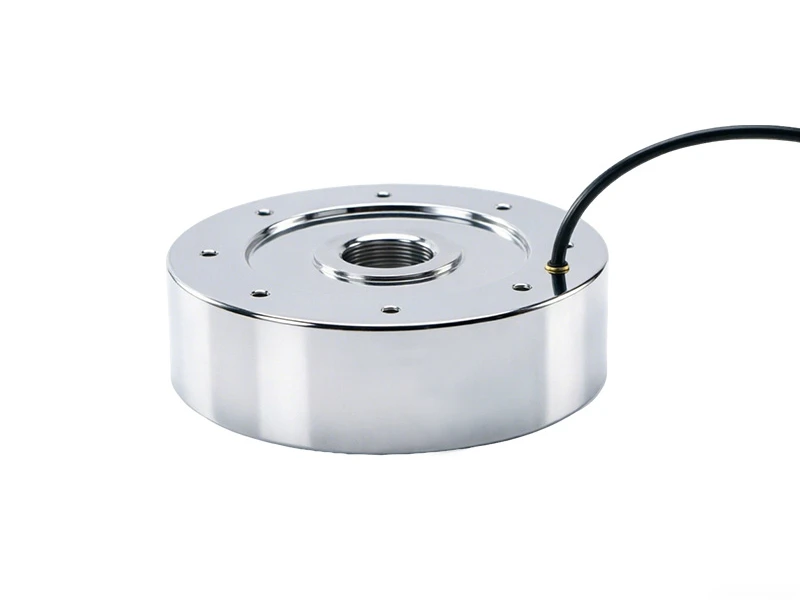
Consider the adaptability to the working environment
Temperature and humidity: In extreme environments, wide-temperature range sensors or sensors with waterproof and moisture-proof packaging should be selected.
Electromagnetic interference: When strong electric/magnetic fields exist in industrial environments, products with shielding and anti-interference designs should be selected.
Corrosive media: In applications involving contact with chemical substances, sensor materials must be corrosion-resistant, such as using a stainless steel housing.